Pillar 01
Understand your child's mind
Understand what is happening emotionally before, during, and after competition — so you can respond with more clarity and less reaction.
Mental Performance Guidance for Jiu-Jitsu Parents
We help parents of young jiu-jitsu athletes support confidence, emotional control, mistake recovery, and competition pressure — without becoming another source of pressure.
For parents of youth and teen jiu-jitsu athletes who train, compete, or are preparing to compete.
The starting point
When your child starts jiu-jitsu, they find a professor, a team, a belt system, and a place to train.
But no one gives you a manual for your role.
No one teaches you what to say before a tournament. No one explains how to respond when your child cries after losing. No one shows you how to support ambition without adding pressure.
Most parents are doing the best they can — with love, intuition, and concern. But love alone does not always give you the right words in the hardest moments.
That is why parents need guidance too.
What you live at home
You see the training. You see the discipline. You see the courage it takes to step onto the mat. But you also see the moments most people miss:
This is not weakness. This is the emotional side of becoming an athlete. And it needs guidance.
Why the mat is unique
In jiu-jitsu, young athletes do not hide inside a team. They step onto the mat by themselves. They feel the pressure in their body.
They face fear, contact, control, mistakes, submissions, wins, losses, and public disappointment in a very direct way.
That is why jiu-jitsu can build confidence, discipline, humility, and resilience — but only when the athlete has the right emotional support around them.
The mat does not only test technique. It tests how a young athlete handles pressure.
A different way to look at it
A young athlete can be brave and still feel afraid. They can love jiu-jitsu and still feel overwhelmed by competition. They can train hard and still lose confidence after one bad match.
Mental strength is not pretending nothing hurts.
Mental strength is learning how to breathe, reset, process frustration, recover from mistakes, and return to the mat with courage.
This is mental development. And parents are part of that development.
Your role in the journey
Your child has a professor for technique. But they also need a steady emotional corner. Not someone who adds more instructions. Not someone who turns every match into a lesson. Not someone who makes love feel connected to performance.
They need a parent who knows when to speak, when to stay quiet, when to comfort, when to guide, and when to simply be present.
That is not instinctive for most parents. It is something parents can learn.
The foundation
Pillar 01
Understand what is happening emotionally before, during, and after competition — so you can respond with more clarity and less reaction.
Pillar 02
Use questions instead of lectures, pressure, or overcorrection — so your athlete builds autonomy, self-awareness, and confidence.
Pillar 03
Support focus, confidence, courage, emotional recovery, and resilience — without making medals, belts, or winning the measure of your child's worth.
The goal is not only to help your child collect medals. The goal is to help them collect medals and good memories.
Where families feel the difference
Help your athlete manage nerves before tournaments and matches.
Teach your child how to process defeat without carrying shame.
Help confidence recover after getting submitted, losing, or making errors.
Support your athlete in handling anger, tears, fear, and frustration.
Learn what to say before and after competition so your support does not become pressure.
Help your child grow through jiu-jitsu without tying self-worth to podiums, promotions, or results.
The process
This work is designed for parents who want to better support the emotional and mental side of their child's jiu-jitsu journey. Depending on the family, the process may include:
Is this you?
A guide who has lived competition pressure from the inside — backed by the institute that became Brazil's reference in mental training for athletes.
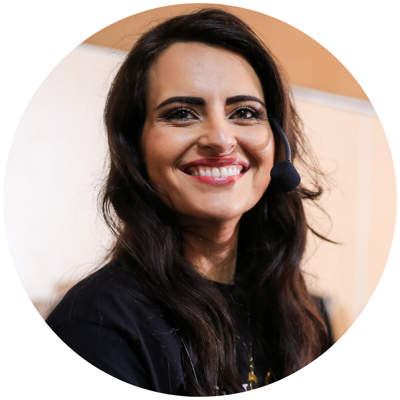 Your Guide
Founder of Atleta Campeao · Author and sport psychology educator
Mayra knows pressure from the inside. Before becoming a mental performance educator, she was the athlete carrying expectation, discipline, fear, ambition, and the desire to make people proud. As a former Brazilian National Team athlete and Pan American Games medalist, she has spent years helping athletes, parents, coaches, and families — including jiu-jitsu and combat sport families — understand the mental side of sport.
The athlete does not compete alone. The people around the athlete shape how pressure is carried, how mistakes are processed, and how confidence is rebuilt.

A reference in mental training for sport since 2016
Founded in 2016 in the United States and expanded to Brazil in 2017, Atleta Campeao became Brazil's leading reference in mental and emotional training for athletes. In 2018, it was recognized by the Brazilian Olympic Committee and invited to the Brazil Olympic Award. Champion Athlete Mindset is its English-language program for international families.
Trusted at the highest level of the sport
Mayra has worked on the mental side of performance with some of the best jiu-jitsu athletes in the world. The foundations are the same ones she helps parents bring to their young athletes.
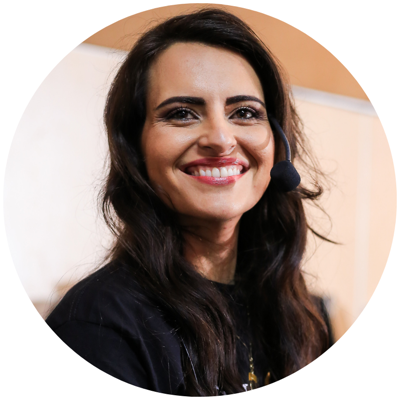
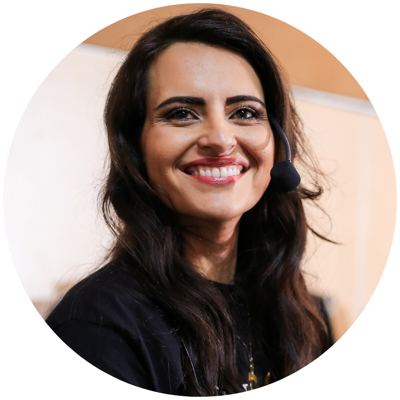
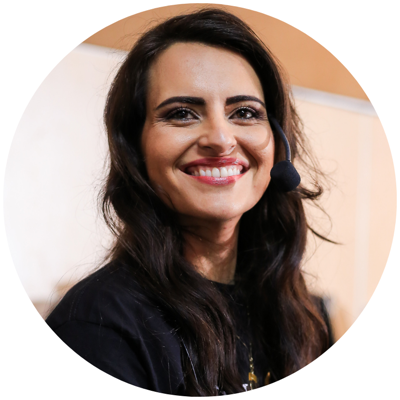
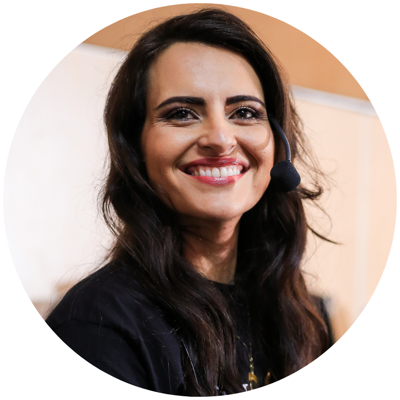
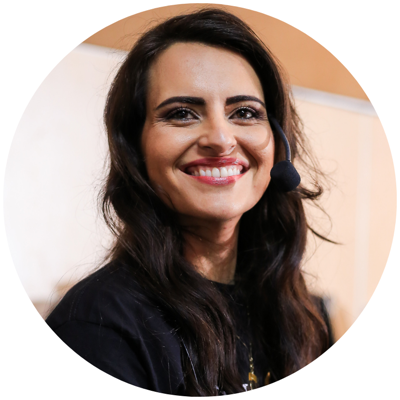
Real sessions and meetings from Mayra's work with elite jiu-jitsu athletes. Your child does not need to be a world champion — the mental foundations are the same at every level.
Where to start
A focused consultation for parents who want to better understand what their athlete is experiencing — and how to support them before, during, and after competition.
Consultations are held online. Parents and athletes may participate together when appropriate.
FAQ
The next step
If your young jiu-jitsu athlete is struggling with pressure, fear, frustration, losses, or confidence, you do not have to figure it out alone. Champion Athlete Mindset helps parents understand how to support the mind behind the athlete — so jiu-jitsu can build confidence, courage, discipline, and emotional strength.